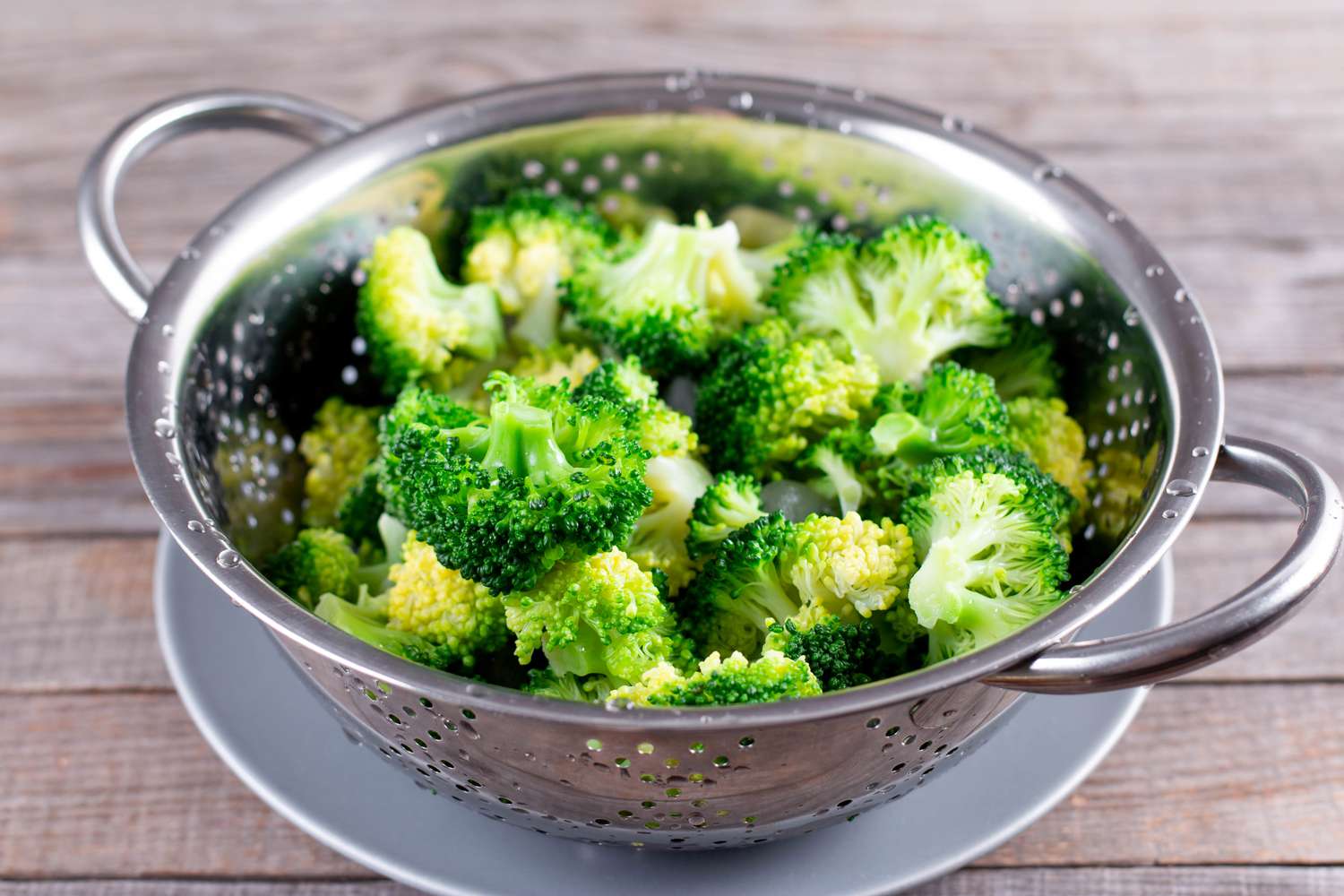
Master Blanching Broccoli: The Secret to Crisp, Vibrant Florets
Broccoli, with its vibrant green florets and earthy flavor, is a nutritional powerhouse beloved in kitchens worldwide. But if you've ever found your cooked broccoli turning dull, mushy, or losing its appeal, you're missing a crucial step: blanching. Mastering
how to blanch broccoli is the game-changer you need, ensuring your florets remain crisp, brilliantly green, and bursting with flavor, whether destined for immediate use or long-term storage.
This simple, quick culinary technique is far more than just a pre-cooking step; it's the key to unlocking broccoli's full potential, preserving its quality, and enhancing its versatility in countless dishes.
What Exactly is Blanching and Why Is It So Important?
At its core, blanching is a two-step cooking technique: a brief dip in boiling water followed by an immediate plunge into an ice bath. While deceptively simple, this process is profoundly impactful, halting enzymatic action and locking in the vegetable's best qualities.
The primary reason to blanch broccoli, especially when preparing it for freezing, lies in its ability to deactivate enzymes. These naturally occurring proteins, present in all vegetables, are responsible for their eventual deterioration. Without blanching, these enzymes continue to break down the broccoli even in the freezer, leading to faded color, a mushy texture, and a loss of flavor over time. Think of blanching as pressing the "pause" button on spoilage, ensuring your frozen broccoli tastes as fresh as possible months down the line. While it is technically possible to freeze broccoli without blanching, the quality will be significantly compromised, making blanching a non-negotiable step for optimal results and extended shelf life.
Beyond preservation, blanching offers several other significant advantages:
*
Vibrant Color: The quick scald intensifies the broccoli's natural green pigment, locking it in for a visually appealing presentation.
*
Crisp-Tender Texture: It partially cooks the vegetable, softening it slightly while retaining its desirable crunch – the perfect "al dente" state.
*
Enhanced Flavor: Blanching can mellow out any slight bitterness sometimes present in raw broccoli, bringing forward its natural sweetness.
*
Improved Food Safety: The brief exposure to high heat helps to kill surface bacteria that might be present on the vegetable, contributing to better food safety.
*
Faster Cooking Time: For recipes requiring cooked broccoli, blanched florets will cook much faster, allowing for quick additions to stir-fries or pasta dishes without overcooking.
Beyond Freezing: Everyday Uses for Blanched Broccoli
While critical for freezing, the benefits of blanched broccoli extend far beyond long-term storage. This versatile technique transforms raw broccoli into a culinary chameleon, ready to enhance a variety of dishes:
*
Salads and Slaws: Swap out raw broccoli for blanched florets in your favorite salads. The improved texture and milder flavor are a delightful change, offering a more tender bite than raw, without being overly soft. They integrate beautifully into grain bowls or mixed green salads.
*
Stir-fries and Pasta Dishes: Add blanched broccoli towards the end of cooking in stir-fries or pasta recipes. Because it's already partially cooked, it requires minimal heat to warm through, ensuring it remains bright green and crisp without becoming overcooked and soggy. This controlled cooking means you can achieve perfect results every time.
*
Crudités Platters: For a vibrant and slightly softer alternative to raw broccoli on a crudités platter, blanched florets are ideal. They pair wonderfully with dips, offering an appealing texture that's still firm enough to hold up.
*
Soups and Side Dishes: Blanched broccoli can be quickly tossed with olive oil and seasonings for a simple, healthy side, or added to soups and stews for a burst of color and nutrition.
The enhanced color, texture, and flavor make blanched broccoli a delicious and versatile ingredient that truly elevates your home cooking.
Preparing Your Broccoli for Blanching
Before you even think about the heat, proper preparation of your broccoli is key to successful blanching.
1.
Wash Thoroughly: Rinse the broccoli head under cold running water to remove any dirt or debris.
2.
Cut into Florets: Using a sharp knife, carefully cut the broccoli head into uniform florets. Aim for pieces that are roughly the same size (about 1 to 1.5 inches). This ensures they blanch evenly. Don't discard the stems! Peel the tough outer layer, and the tender inner stem can be blanched and used in stir-fries or soups.
3.
Prepare Your Ice Bath: This step is non-negotiable and needs to be ready *before* you start cooking. Fill a large bowl with an equal mix of cold water and ice cubes. The ice bath must be cold enough and plentiful enough to immediately stop the cooking process of the hot broccoli.
The Two Main Methods: Boiling vs. Steaming
Both boiling and steaming are effective ways to blanch broccoli, with each offering slight advantages. The method you choose often comes down to personal preference and the equipment you have on hand.
Blanching Broccoli in Boiling Water
This is the most common and fastest method for
how to blanch broccoli.
1.
Bring Water to a Rolling Boil: Fill a large pot with water. For every pound of broccoli, you'll want at least 4 quarts of water. Add a generous pinch of salt (about 1-2 teaspoons per gallon) – this not only seasons the broccoli but also helps to set its vibrant green color. Place the pot on the stovetop and bring it to a vigorous, rolling boil.
2.
Add Broccoli: Carefully add the prepared broccoli florets to the boiling water. Do not overcrowd the pot; if you have a large batch, blanch in smaller batches to maintain the water's temperature.
3.
Cook Briefly: Blanch the broccoli for approximately 1 to 2 minutes. The exact time depends on the size of your florets and your desired level of tenderness. Smaller florets might be done in 60 seconds, while larger ones could take up to 2 minutes. You're looking for a bright green color and a slightly softened, but still crisp, texture.
4.
Immediately Transfer to Ice Bath: Using a slotted spoon or spider, quickly remove the broccoli from the boiling water and plunge it into the prepared ice bath. This immediate shock stops the cooking process, preserving the vibrant color and crisp texture.
5.
Chill Thoroughly: Let the broccoli sit in the ice bath for the same amount of time it was blanched (1-2 minutes), or until completely cool to the touch.
6.
Drain Well: Remove the blanched and chilled broccoli from the ice bath and drain thoroughly. You can use a colander, pat it dry with paper towels, or even use a salad spinner to remove excess moisture, which is especially important if you plan to freeze it.
Steaming Broccoli for Blanching
Steaming is a gentler method that some prefer, as it can potentially preserve more water-soluble nutrients and results in a slightly firmer texture.
1.
Prepare Steamer: Pour about an inch or two of water into a pot and bring it to a boil. Place a steamer basket over the boiling water, ensuring the water does not touch the bottom of the basket.
2.
Add Broccoli: Arrange the broccoli florets in a single layer in the steamer basket. Avoid overcrowding.
3.
Steam Cook: Cover the pot tightly and steam the broccoli for 3 to 4 minutes. Again, the time will vary slightly depending on floret size and desired doneness. The florets should turn bright green and be tender-crisp.
4.
Immediately Transfer to Ice Bath: As with boiling, quickly transfer the steamed broccoli to the ice bath to halt the cooking process.
5.
Chill and Drain: Allow the broccoli to cool completely in the ice bath, then drain thoroughly.
Tips for Perfect Blanched Broccoli Every Time
Achieving perfectly blanched broccoli is simple, but a few key tips can elevate your results:
*
Don't Overcrowd: Whether boiling or steaming, giving your broccoli enough space is crucial. Overcrowding drops the water temperature too much, prolonging cooking time and resulting in unevenly blanched or soggy florets.
*
The Ice Bath is Non-Negotiable: This step is just as important as the hot water. Prepare it in advance and ensure it's generously filled with ice and water. Without it, your broccoli will continue to cook from residual heat, losing its crispness and vibrant color.
*
Drain Thoroughly: Excess moisture can dilute flavors or lead to ice crystals if freezing. For best results, ensure your blanched broccoli is as dry as possible before using or storing. A salad spinner is excellent for this.
*
Use Fresh Broccoli: The quality of your raw ingredient directly impacts the final blanched product. Choose firm, dark green broccoli heads without yellowing or soft spots.
*
Consider Your End Use: If you're blanching for a quick stir-fry, you might blanch for a slightly shorter time to ensure it finishes cooking properly in the pan. If you're blanching for a cold salad, you might go for the full recommended time.
Once you've mastered
how to blanch broccoli, you're perfectly set up for long-term storage. For a comprehensive guide on this, check out our article on
How to Blanch Broccoli for Freezing: Ultimate Guide. Blanching is truly the secret to
Blanch Broccoli for Freezing: Preserve Color & Flavor for months to come.
Conclusion
Blanching broccoli is a simple yet incredibly effective technique that every home cook should have in their repertoire. By briefly cooking and then rapidly chilling your broccoli, you preserve its vibrant color, maintain a delightful crisp-tender texture, and lock in its fresh flavor. Whether you're preparing it for a quick weeknight meal, a show-stopping crudités platter, or extending its shelf life in the freezer, understanding
how to blanch broccoli will elevate your culinary creations and ensure your favorite green vegetable always shines. Give it a try, and discover the difference perfectly blanched broccoli can make!