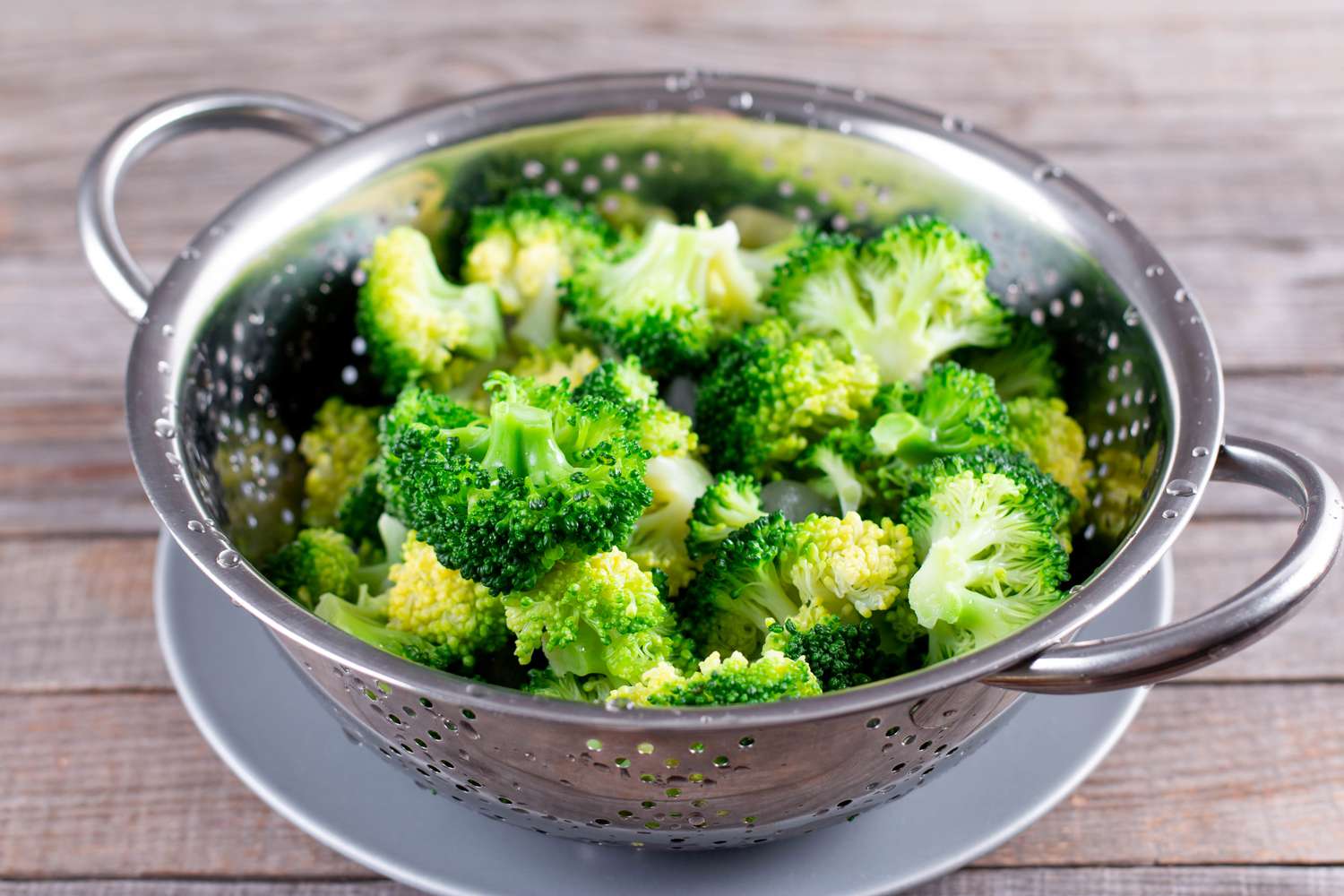
Unlock the secret to preserving fresh, vibrant broccoli for months by mastering the simple art of blanching. Whether you've harvested a bountiful garden yield, snagged a fantastic deal at the farmer's market, or simply want to minimize food waste, knowing how to blanch broccoli for freezing is a game-changer. This essential technique ensures your florets retain their striking color, crisp-tender texture, and vital nutrients, making them perfect for future meals.
Blanching is a culinary technique that involves briefly cooking vegetables in boiling water or steam, followed by an immediate plunge into an ice-cold bath. This crucial two-step process not only stops the cooking but also sets the stage for optimal long-term storage. Without this simple step, even properly frozen broccoli can suffer from dull color, mushy texture, and diminished flavor. Let's dive into everything you need to know to become a blanching expert.
Why Blanching Broccoli is Non-Negotiable for Freezing
When it comes to freezing broccoli, blanching isn't just a suggestion; it's a vital step that directly impacts the quality and longevity of your frozen produce. Here's why this quick process makes all the difference:
- Enzyme Deactivation: Broccoli, like many vegetables, contains natural enzymes that continue to break down its cellular structure even at freezing temperatures. Without blanching, these enzymes will gradually diminish the vegetable's color, texture, and flavor, leading to an inferior product. Blanching effectively deactivates these enzymes, halting the deterioration process and locking in freshness.
- Color and Texture Preservation: Have you ever seen dull, yellowish, or overly soft frozen broccoli? That's often the result of skipping the blanching step. The brief exposure to heat intensifies broccoli's vibrant green hue and helps maintain its firm, crisp-tender texture, even after thawing.
- Enhanced Food Safety: The hot water or steam used in blanching helps to cleanse the surface of the broccoli, reducing the presence of surface bacteria and potential contaminants. While freezing itself inhibits bacterial growth, blanching provides an extra layer of food safety, particularly important for produce intended for long-term storage.
- Improved Flavor Profile: Blanching not only preserves the existing flavor but can also subtly enhance it by bringing out the natural sweetness of the broccoli. This ensures that when you pull your blanched and frozen broccoli out of the freezer, it tastes as good as it did fresh.
While it's technically possible to freeze broccoli without blanching, the quality will be significantly compromised. For the best culinary experience and shelf-life, blanching is the Blanch Broccoli for Freezing: Preserve Color & Flavor and texture.
Prepping Your Broccoli for Blanching Success
Before you even think about heat, proper preparation of your broccoli is key to a successful blanching process. Taking a few minutes to get this right will ensure even cooking and optimal results.
- Select the Best Broccoli: Start with fresh, firm heads of broccoli. Look for tight, dark green florets without any yellowing, wilting, or soft spots. The stems should also be firm and not rubbery.
- Wash Thoroughly: Rinse the broccoli under cold running water to remove any dirt, small insects, or debris. You can even give it a quick soak in a bowl of cold water for a few minutes before rinsing again.
- Cut into Uniform Florets: Using a sharp knife, carefully cut the broccoli head into individual florets. Aim for pieces that are roughly the same size (about 1 to 1.5 inches). This uniformity is critical for even blanching; if some pieces are much larger than others, they won't cook at the same rate. Don't discard the stalks! The tender parts can be peeled and sliced for blanching alongside the florets, or saved for stir-fries and soups.
- Prepare Your Ice Bath: This step is just as important as the hot water! Fill a large bowl with an equal mix of ice and cold water. Set it aside close to your stovetop so you can immediately transfer the blanched broccoli. The colder, the better – a truly icy bath is essential to shock the vegetables and halt the cooking process instantly.
Having your ice bath ready beforehand prevents overcooking and ensures your broccoli stays crisp and bright.
Step-by-Step: How to Blanch Broccoli Using the Boiling Water Method
The boiling water method is the most common and fastest way to blanch broccoli. It's straightforward and delivers excellent results when done correctly. For the best quality, work in small batches to avoid overcrowding the pot, which can lower the water temperature and lead to uneven blanching.
Method 1: Boiling Water
- Set Up Your Pot: Choose a large pot, ideally at least twice the volume of the broccoli you plan to blanch in one batch. Fill it about two-thirds full with water and add a pinch of salt (optional, but can enhance flavor and slightly raise the boiling point).
- Bring to a Rolling Boil: Place the pot on high heat and bring the water to a vigorous, rolling boil. Ensure there are plenty of bubbles and steam.
- Add the Broccoli: Carefully immerse the prepared broccoli florets into the boiling water. Do not overcrowd the pot; if you have a lot of broccoli, blanch it in batches.
- Blanch for 1-2 Minutes: Set a timer immediately. For standard-sized florets, blanch for approximately 1 minute. If your florets are particularly dense or slightly larger, you might extend this to 1.5-2 minutes. The broccoli should turn a vibrant, almost neon green.
- Transfer to Ice Bath: Using a slotted spoon or spider, quickly remove the broccoli from the boiling water and plunge it directly into the prepared ice bath. Stir the broccoli in the ice bath for 1-2 minutes to ensure it's thoroughly chilled and the cooking process has completely stopped. This "shocking" step is critical for retaining color and texture.
- Drain Thoroughly: Once completely chilled, remove the broccoli from the ice bath using a slotted spoon or by pouring it into a colander. Allow it to drain completely. For freezing, it’s imperative to get rid of as much excess water as possible. You can gently pat the florets dry with a clean kitchen towel or paper towels, or even spin them in a salad spinner.
For more detailed insights on achieving that perfect crisp-green texture, check out our guide on Master Blanching Broccoli: Keep It Crisp & Green.
Method 2: Steaming (A Gentler Alternative)
Steaming is another excellent way to blanch broccoli, often preferred by those who want to retain slightly more nutrients or achieve a slightly firmer texture. The process is similar, but the cooking time is a bit longer.
- Prepare Your Steamer: Place a steamer basket in a large pot with an inch or two of water at the bottom. Ensure the water level is below the bottom of the steamer basket.
- Bring to a Boil: Bring the water in the pot to a rolling boil over high heat.
- Add Broccoli: Place the prepared broccoli florets in a single layer in the steamer basket. Cover the pot with a tight-fitting lid.
- Steam for 3-5 Minutes: Steam the broccoli for 3-5 minutes, depending on the size of the florets. It should turn bright green and be crisp-tender.
- Transfer to Ice Bath: Immediately transfer the steamed broccoli to the ice bath to cool completely, then drain thoroughly as described in the boiling method.
Freezing Blanched Broccoli for Long-Term Storage
Once your broccoli is blanched and thoroughly dried, it's ready for freezing. Proper freezing techniques prevent ice crystals and freezer burn, ensuring your broccoli tastes delicious months down the line.
- Ensure Thorough Drying: This cannot be stressed enough. Excess moisture leads to ice crystals and freezer burn, ruining the texture and flavor. Pat the blanched broccoli completely dry with paper towels or a clean kitchen towel. A salad spinner can also be very effective.
- Flash Freeze for Best Results: Arrange the dried broccoli florets in a single layer on a baking sheet lined with parchment paper. Place the baking sheet in the freezer for 1-2 hours, or until the florets are solid. This "flash freezing" step prevents the florets from clumping together, making it easy to grab just the amount you need later.
- Package for Storage: Once flash-frozen, transfer the individual florets into freezer-safe bags or airtight containers. Remove as much air as possible from freezer bags using a straw or a vacuum sealer. Air is the enemy of frozen food, contributing to freezer burn.
- Label and Date: Always label your bags or containers with the contents ("Blanched Broccoli") and the date you froze them.
- Store: Place the packaged broccoli in the coldest part of your freezer. Blanched and properly frozen broccoli can be stored for 8-12 months, maintaining excellent quality.
When you're ready to use your frozen blanched broccoli, there's no need to thaw it for most recipes. Simply add it directly to stir-fries, soups, casseroles, or steam it lightly from frozen.
Troubleshooting and Pro Tips
- Over-Blanching: If your broccoli comes out mushy, you likely blanched it for too long. Reduce the cooking time next time. The goal is crisp-tender, not soft.
- Under-Blanching: If the color isn't vibrant, or the texture is too raw, it might have been under-blanched. This means the enzymes weren't fully deactivated, potentially leading to quality degradation in the freezer. Extend the blanching time slightly.
- Not Enough Ice Bath: A lukewarm water bath won't stop the cooking process effectively. Ensure your ice bath is truly icy and abundant enough to chill all the broccoli quickly.
- Don't Overcrowd the Pot/Steamer: As mentioned, blanching in batches is crucial. Overcrowding lowers the water temperature and results in unevenly cooked broccoli.
- Beyond Freezing: Blanched broccoli isn't just for freezing! It's fantastic for immediate use. Toss it into salads, add it to a crudités platter, stir it into pasta dishes, or use it as a vibrant side dish. Its bright color and slightly tender texture make it a delightful alternative to raw broccoli in many recipes.
Mastering how to blanch broccoli for freezing is a simple yet incredibly rewarding skill. By following these steps, you can confidently preserve the peak freshness of this nutritious vegetable, ensuring you have a convenient, high-quality ingredient ready for countless meals throughout the year. Say goodbye to dull, mushy frozen broccoli and hello to vibrant, crisp-tender florets every time!
